August 3, 2026
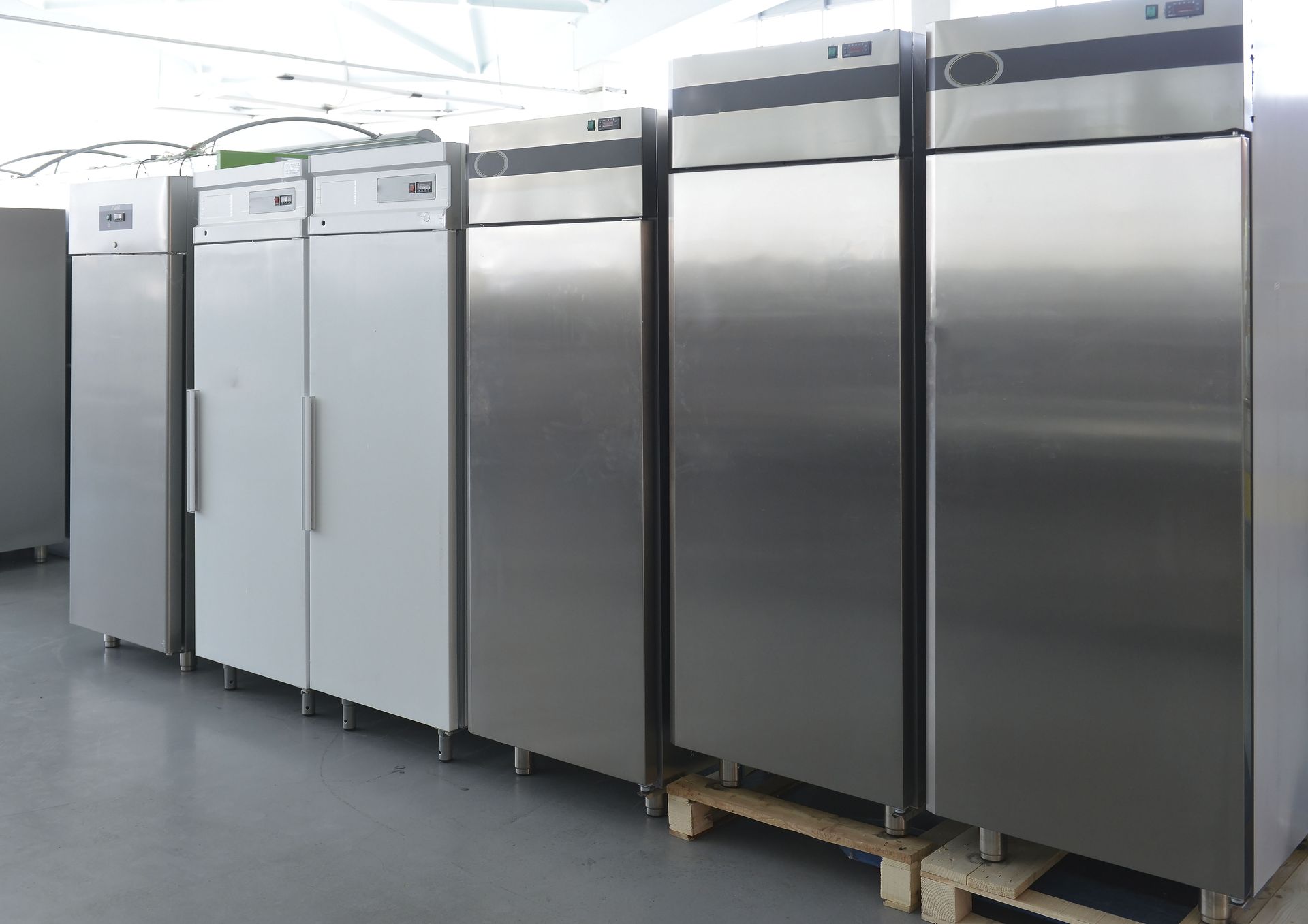
Commercial refrigeration units are the unsung heroes behind every successful restaurant, supermarket, and convenience store. Keeping them in peak condition is essential to prevent unexpected breakdowns, which can result in costly spoilage and lost revenue. Knowing when to call for commercial refrigeration service provides a clear pathway to identify issues early, saving substantial money over time. Maintaining optimal performance requires staying vigilant and taking proactive care of critical cooling systems.
Recognizing Unusual Noises in Commercial Units
In cooling systems, unusual noises often serve as the first indicator of potential operational problems. Common sounds to listen for include rattling, hissing, and excessive clicking, which may indicate loose components, refrigerant leaks, or failing electrical parts. Ignoring these sounds can lead to irreversible damage and escalated repair costs, making prompt attention vital to maintaining system integrity. Operating staff should familiarize themselves with normal operational sounds to identify deviations promptly, as persistent grinding, buzzing, or banging signals internal wear. Addressing these abnormal noises immediately prevents minor issues from progressing into major malfunctions.
Unusual noises often stem from common issues such as loose panels, malfunctioning fans, or compressor problems. Over time, vibrations in the system can cause hardware to loosen, resulting in rattling sounds. Fans operating with worn bearings can produce a buzzing or grinding noise, while excessive clicking typically indicates failing electrical components. While tightening loose screws or lubricating moving parts provides quick interim relief, long-term stability requires comprehensive maintenance. Relying on skilled technicians ensures that all underlying issues are addressed accurately and efficiently without risking further mechanical damage.
Managing Temperature Fluctuations and Cooling Integrity
Maintaining proper temperature ranges is vital for the optimal performance of commercial cooling equipment. Most units should operate within a range of 35 to 38 degrees Fahrenheit for refrigerators and -5 to 0 degrees Fahrenheit for freezers. Deviation from these ranges impacts food safety and quality, leading to spoilage or health code violations. Regular temperature monitoring ensures equipment stays within prescribed ranges, offering total peace of mind. Adhering to these operational standards prevents sudden inventory losses and prolongs overall equipment lifespan.
Temperature instability is a critical issue that requires immediate attention from a commercial refrigeration service team. Key warning signs include fluctuating temperature readings, frost buildup in the refrigerator section, and food failing to stay frozen. These symptoms point to a malfunctioning thermostat, a refrigerant leak, or a failing compressor. According to WiFiTalents' 2026 HVAC data reports (citing EPA), keeping condenser coils clean can lower energy usage in commercial cooling setups by as much as 30 percent. Understanding these underlying causes assists in swift diagnosis and targeted repair, minimizing operational disruptions.
Addressing Continuously Running Compressor Issues
The compressor acts as the heart of a refrigeration system, circulating refrigerant throughout the entire unit. Its primary function is to compress refrigerant gas into a high-pressure state, enabling efficient cooling cycles. A well-performing unit operates intermittently, starting and stopping automatically as needed to maintain target temperatures. Constant running serves as a major red flag indicating deeper inefficiencies, such as refrigerant leaks or thermostat malfunctions. Understanding this mechanical behavior helps diagnose problems early to preserve overall equipment efficiency.
Recognizing the early signs of a failing compressor prevents more severe issues down the line. Symptoms include odd noises like knocking, reduced cooling efficiency, and continuous cycling. When compressors overrun, they draw continuous power and consume significantly more energy, driving up monthly utility bills. Performing basic checks like clearing air filters, cleaning coils, and verifying thermostat settings can help identify simple issues. However, continuous running warrants a complete professional assessment to protect the internal components from permanent mechanical failure.
Preventing Water Leaks and Excessive Frost Accumulation
Water leaks in commercial cooling units present both an operational hazard and potential property damage. Leaks often result from blocked or frozen defrost drains, damaged water supply lines, or compromised door seals. Identifying the exact source of moisture is essential for taking corrective measures and avoiding structural damage. Swift identification and response can save thousands of dollars in property repairs and inventory loss. Scheduling regular commercial refrigeration service ensures these drainage systems remain completely clear and fully functional year-round.
Frost buildup within a unit usually points to deeper issues, such as worn door seals or inadequate defrost cycles. Poor air circulation or a malfunctioning defrost timer exacerbates the situation, creating thick layers of frost that strain the compressor. Basic preventative steps include clearing blocked drains with warm water and adjusting door latches to secure airtight closures. While these minor actions mitigate symptoms temporarily, professional technicians use specialized tools to inspect water lines, defrost systems, and seals, delivering long-term performance benefits and substantial energy savings.
Evaluating Faulty Door Seals and Mechanical Hinges
Regular inspection of door seals is critical to maintaining a secure and efficient cooling system. Staff should check for cracks, tears, or gaps that impede sealing capability using simple tests like inserting a bill along the door border. Faulty seals allow warm air to infiltrate, causing fluctuating temperatures and accelerated frost buildup over time. Proactive inspection ensures swift identification and correction, preserving energy efficiency. Technicians can replace worn-out materials with high-grade sealing options that instantly restore proper insulation.
Damaged door hinges also pose severe operational and efficiency challenges. When hinges fail, doors misalign or fail to close completely, allowing cold air to escape and prompting the system to overwork. The resulting workload spikes utility bills and significantly shortens equipment lifespan. Additionally, misaligned doors create safety hazards for staff during busy operational hours. Promptly repairing hinges upholds energy efficiency, safety, and physical integrity, preventing small mechanical flaws from escalating into costly overall system failures.
Analyzing Utility Bills and System Performance
Unexplained spikes in monthly utility bills often indicate underlying operational issues in commercial cooling equipment. Increased energy use reveals system components overworking due to underlying faults, such as failing compressors, clogged coils, or poor insulation. Analyzing utility bills alongside equipment maintenance records offers clear insights into overall system health. Implementing systematic energy monitoring using smart meters or regular manual readings facilitates trend analysis, allowing management to spot inefficiencies before they incur exorbitant costs.
Pinpointing the root cause of high energy use involves targeted inspections of key mechanical components. Regular coil cleaning, proper temperature settings, and tight door seals represent highly effective practices for reducing waste. Engaging professional technicians ensures accurate diagnostics for complex problems like hidden refrigerant leaks or insulation failures. Prompt intervention when an issue arises yields substantial operational savings and prolongs equipment lifespans. Investing in proactive commercial refrigeration service ensures all components operate at peak performance, protecting business budgets and promoting long-term sustainability.
Establishing a proactive oversight routine allows facility managers to monitor key performance indicators, detect subtle operational changes, and catch mechanical wear before critical failures occur. Documenting temperature trends, motor performance, and component wear rates creates a reliable baseline for scheduled servicing. Checking the condition of commercial units regularly using a structured checklist ensures minor issues do not escalate into costly enterprise problems. Recognizing warning signs early and taking prompt action maintains system efficiency while upholding overall operational productivity and profitability. Comprehensive maintenance strategies backed by professional care preserve the valuable lifespan of cooling assets over many years. For complete maintenance, reliable repairs, and comprehensive support for your commercial cooling systems, rely on the dedicated team at Advanced Energy Systems Inc.