October 12, 2026
Running a commercial operation means balancing employees, customers, inventory, schedules, and countless details that demand attention every day. Refrigeration can easily become one of those background systems that only receives attention when something stops working. Yet temperature-controlled equipment often plays a central role in protecting inventory, maintaining operations, and meeting the expectations of customers and staff. A practical maintenance strategy helps busy owners keep commercial refrigeration operating consistently while reducing avoidable disruptions.
Establishing a Consistent Maintenance Schedule
Commercial refrigeration equipment operates for long periods and may experience substantial daily use. Regular professional maintenance gives technicians an opportunity to evaluate components before small performance changes develop into larger operational concerns. Scheduling service at appropriate intervals can also help identify wear, airflow problems, temperature inconsistencies, and other conditions that may affect equipment performance. For busy owners, placing maintenance on a recurring schedule makes refrigeration care easier to incorporate into broader facility management.
According to Grand View Research, food retail, including supermarkets and convenience stores, represents the largest market share at nearly 38%, while healthcare and pharmaceutical refrigeration are among the fastest-growing sectors. This market distribution illustrates how many businesses depend on dependable temperature-controlled equipment for daily operations. As refrigeration needs continue across different industries, consistent equipment care remains an important part of maintaining reliable commercial facilities. Professional maintenance can help businesses address equipment needs before they interfere with normal operations.
Monitoring Equipment Performance
Changes in commercial refrigeration performance can provide useful information about developing equipment concerns. Temperature fluctuations, unusual cycling, inconsistent cooling, or changes in operating patterns may indicate that a system requires professional attention. Monitoring these conditions allows business owners and facility managers to recognize potential issues sooner rather than waiting for a complete breakdown. Consistent observation is especially useful when several refrigeration units operate throughout a single facility.
Professional technicians can evaluate equipment behavior in the context of its design and operating environment. A unit that appears to be functioning may still have components experiencing excessive wear or conditions that reduce efficiency. Professional evaluation can provide a clearer understanding of whether an observed change requires service. This helps owners make maintenance decisions based on the actual condition of their equipment rather than appearance alone.
Protecting Temperature Consistency
Maintaining appropriate temperatures is a central responsibility for businesses that depend on refrigeration. Temperature consistency can affect stored food, beverages, medications, ingredients, and other temperature-sensitive products. Commercial refrigeration systems must therefore operate in a way that supports the requirements of the products being stored. Professional service helps address equipment conditions that could interfere with consistent temperature control.
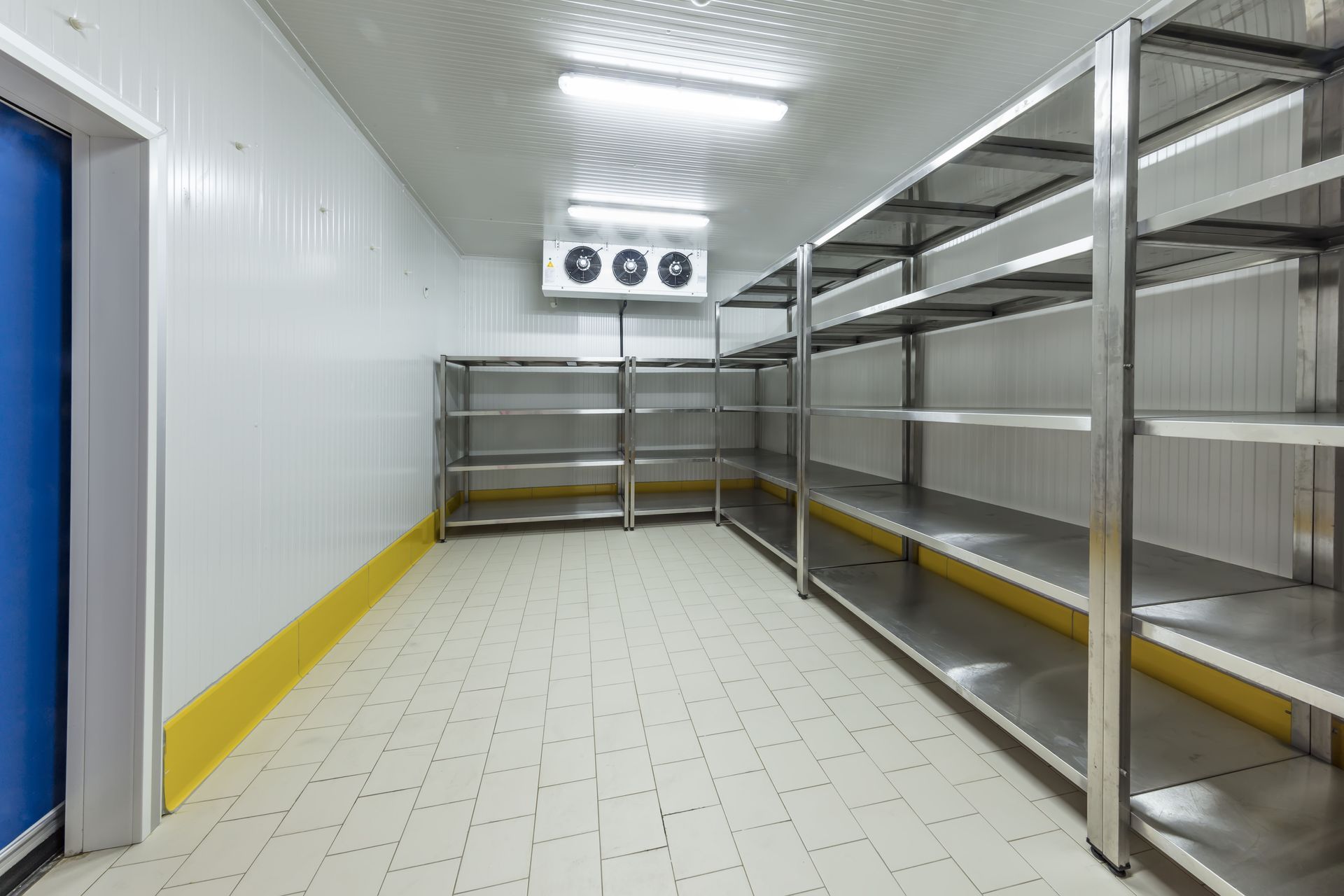
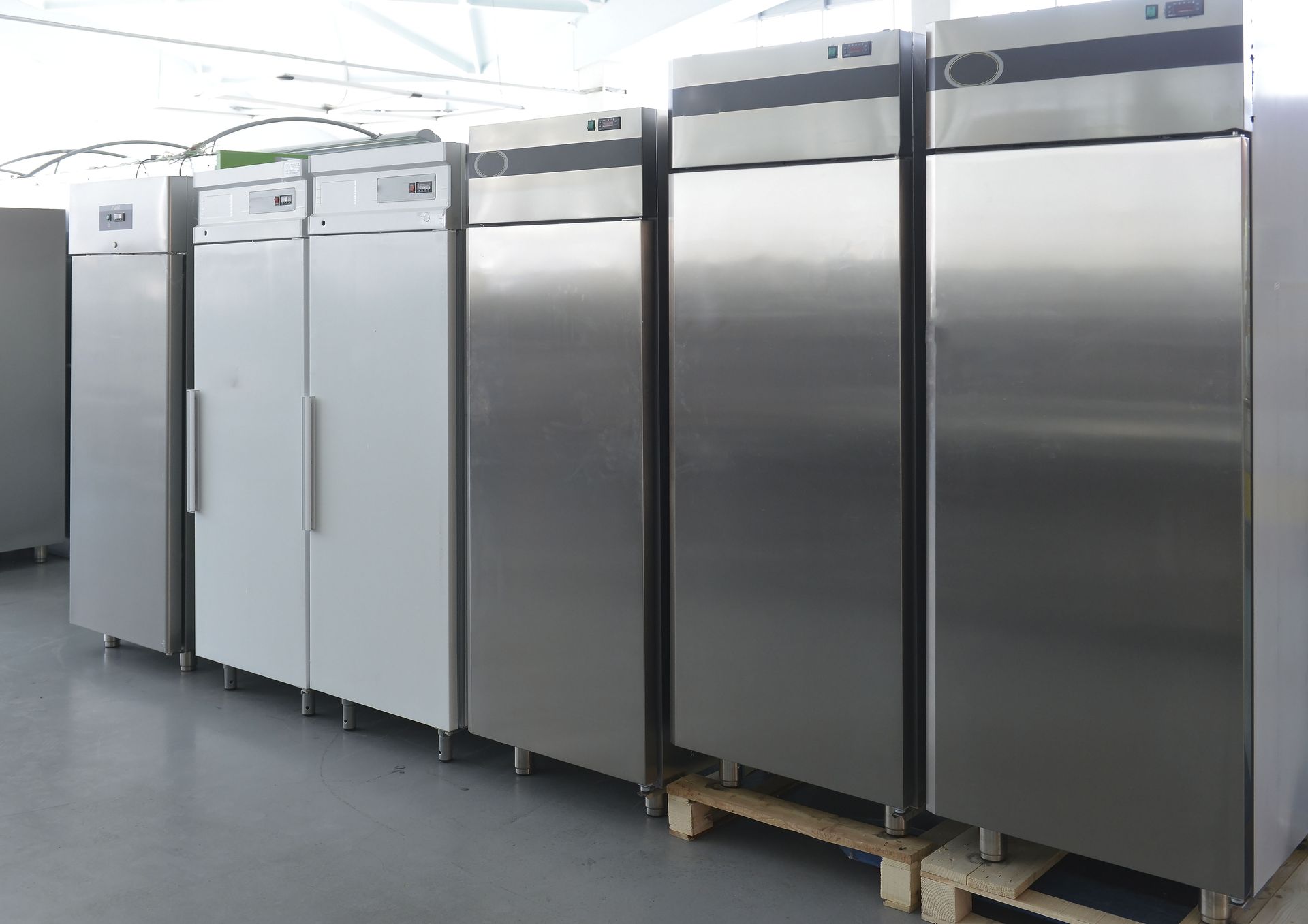
Different types of refrigeration equipment may have different operating requirements depending on their application and configuration. Walk-in units, reach-in refrigerators, display cases, freezers, and specialized systems can place different demands on cooling components. A professional technician can evaluate the equipment according to its intended use and operating conditions. This application-specific approach helps businesses manage refrigeration as an important part of their overall operation.
Addressing Airflow Concerns
Adequate airflow is an important part of refrigeration performance because cooling systems depend on proper movement of air around critical components. Obstructions, restricted circulation, or equipment conditions that interfere with airflow can affect how a unit operates. When airflow problems develop, commercial refrigeration equipment may work harder or struggle to maintain expected conditions. Professional service can identify these concerns and determine what attention the equipment requires.
Busy owners may overlook airflow-related problems because they can develop gradually. A unit may continue operating while performance becomes less consistent over time. Professional inspections provide an opportunity to examine the system as a whole and identify conditions that are not immediately obvious during normal business activity. Addressing these concerns through scheduled service can help maintain more consistent equipment operation.
Maintaining Clean Operating Conditions
The environment around refrigeration equipment can influence its ability to operate effectively. Dust, debris, grease, and other buildup can affect components and create conditions that place additional demands on a system. Commercial kitchens, food stores, restaurants, healthcare facilities, and other busy environments can expose equipment to particularly demanding operating conditions. Professional maintenance helps evaluate equipment cleanliness and determine whether accumulated material is affecting performance.
Clean operating conditions also support a more organized facility environment. Refrigeration equipment that is surrounded by clutter or obstructed access can be more difficult for technicians to inspect and service. Keeping service areas accessible allows professionals to evaluate equipment more efficiently when maintenance or repairs are required. For owners managing busy facilities, organized equipment areas can make ongoing refrigeration care easier to coordinate.
Reviewing Door and Seal Conditions
Doors and seals play an important role in maintaining the controlled environment inside refrigerated spaces. Damaged or deteriorated seals can allow conditioned air to escape, while doors that do not close properly can affect temperature stability. These conditions may place additional demands on
commercial refrigeration equipment as it works to maintain the intended internal environment. Professional inspections can evaluate doors, seals, hinges, and related components as part of comprehensive equipment care.
This area deserves particular attention in high-traffic businesses where refrigeration doors may be opened frequently throughout the day. Repeated use can place mechanical components under considerable stress over time. Technicians can assess whether door-related components are operating appropriately and identify conditions requiring professional service. Addressing these concerns supports the broader goal of keeping refrigeration systems operating as intended.
Planning Repairs Before Breakdowns
Unexpected refrigeration failures can disrupt inventory management, business schedules, and normal customer service. A proactive maintenance approach gives owners more opportunities to identify developing equipment concerns before they become urgent service situations. Professional technicians can document observed conditions and explain which issues may require attention. This information can help businesses plan service around operating schedules rather than reacting to an equipment failure at an inconvenient time.
Planning is particularly important for businesses that rely on multiple refrigeration units. If one system requires attention, managers may need to coordinate service without disrupting other equipment or daily operations. A professional service provider can evaluate the situation and help establish an appropriate repair sequence based on equipment condition and operational needs. Organized planning can make refrigeration maintenance easier to manage within a busy commercial environment.
Coordinating Service Across Equipment
Large facilities may contain multiple refrigeration systems with different ages, configurations, and operating demands. Managing each unit separately can make maintenance schedules complicated, particularly when owners and managers already have numerous responsibilities. Coordinated professional service can provide a more structured approach to evaluating equipment across a property. This can help identify recurring concerns and keep maintenance activities organized.
A broader equipment review can also help businesses understand where their refrigeration systems stand over time. Technicians can identify units that require immediate attention as well as equipment that may warrant closer observation. Keeping service information organized gives facility managers useful context when planning future maintenance. This approach can support more consistent oversight without requiring owners to manage every technical detail themselves.
Keeping refrigeration equipment operating smoothly requires more than reacting when a unit stops working. Professional evaluation, scheduled maintenance, and timely attention to developing concerns can help businesses manage temperature-controlled equipment as a continuing operational responsibility. Advanced Energy Systems Inc can provide professional refrigeration service designed around the equipment and needs of commercial properties. Contact Advanced Energy Systems Inc to discuss your refrigeration requirements and establish a service approach that helps keep your business operating smoothly.